Ensure Your Home's Fireplace Safety with Us
A well-maintained fireplace helps your home stay comfortable, efficient, and ready for use. From fireplace inspection and fireplace cleaning to gas fireplace service and fireplace maintenance, Priority Chimney & Vent helps homeowners in Cincinnati keep their fireplace systems working properly throughout the season.
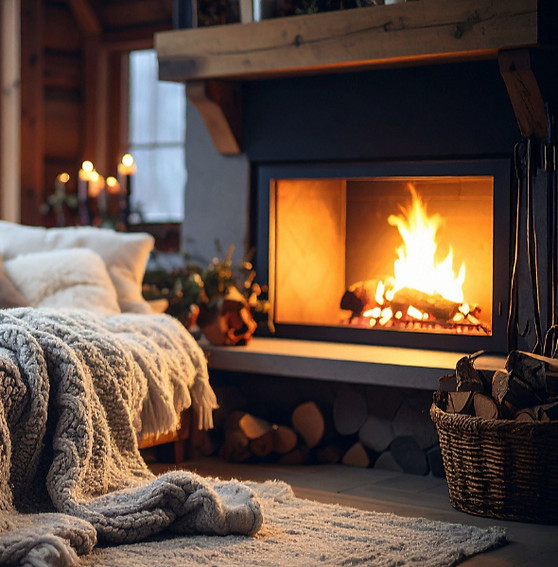
Professional Fireplace Safety & Maintenance
At Priority Chimney & Vent, we believe a fireplace should be the heartwarming center of your home, not a safety liability. Proper maintenance and operation are critical to protecting your family from fire hazards and carbon monoxide exposure. This guide outlines essential safety practices and warning signs for every homeowner.
Wood-Burning Fireplace Safety
The key to a safe wood fire is burning only seasoned hardwood. Wet or unseasoned wood creates excessive smoke and accelerates creosote buildup. Always keep the hearth clear of flammable materials and ensure your fire screen or glass doors are closed while the fire is active to prevent stray sparks from escaping.
Gas Fireplace Safety & Venting
Gas fireplaces require precise venting to manage combustion by-products. Ensure your pilot light stays clean and the glass cover is secure without cracks. Proper venting is the difference between a cozy night and dangerous exhaust leakage into your living space. We recommend annual inspections of gas lines and obstructed vent checking.
Carbon Monoxide Awareness
Carbon monoxide (CO) is a colorless, odorless, and potentially deadly gas. A malfunctioning fireplace or a blocked chimney can cause CO to back up into your home. Every home with a fireplace must have working carbon monoxide detectors on every floor, especially near sleeping areas, to provide an early warning of venting failures.
Smoke, Odor & Draft Issues
If you notice smoke spilling into the room or a strong smoky odor when the fireplace is not in use, you likely have a draft problem. This can be caused by a chimney blockage, a damaged damper, or negative air pressure in the home. Ignoring these signs can lead to soot damage and poor indoor air quality.
Creosote Buildup & Fire Risk
Creosote is a highly flammable byproduct of combustion that sticks to the chimney flue. If creosote builds up, it can ignite and cause a chimney fire, which often spreads to the structural framing of the house. Regular professional cleaning is the only way to safely remove glazed creosote and eliminate this risk.
Damaged Brick, Mortar & Components
Cracked bricks and crumbling mortar joints allow water to enter the chimney structure, leading to costly deterioration. Damaged chimney caps or rusted dampers also contribute to moisture issues and animal nesting. Prompt repairs to the masonry and metal components are essential for the longevity of your fireplace system.
Warning Signs Homeowners Should Notice
- Visible soot or tar-like buildup in the flue
- A strong 'campfire' smell even when no fire is burning
- Difficulty getting a fire to stay lit or smoke backing into the house
- White staining (efflorescence) on the exterior chimney brick
- Chunks of tile or mortar at the bottom of the firebox
When to Schedule Service
The NFPA recommends that chimneys, fireplaces, and vents shall be inspected at least once a year. Priority Chimney & Vent provides thorough Level 1 and Level 2 inspections to ensure your system is structurally sound and clear of obstructions. If you use your fireplace frequently, more regular cleanings may be required to keep creosote at safe levels.
Critical Fireplace Red Flags to Note
Smoke In Room
Smoke inside the home can point to poor draft, blockage, creosote buildup, or venting problems.
Firebox Cracks
Cracks inside the firebox can allow heat damage to spread and should be checked before use.
Soot Stains
Soot stains can point to smoke backup, poor draft, or creosote buildup inside the chimney.
Pilot Trouble
A pilot light that will not stay lit may mean the gas fireplace needs cleaning or service.
Weak Flame
A weak or uneven flame can signal a gas fireplace issue, dirty burner, or airflow problem.
Strong Odors
Smoke, gas, or musty smells near the fireplace should be inspected and not ignored.
Common Fireplace Problems and Warning Signs
Fireplace problems are often easy to notice, but they are not always easy to diagnose. Homeowners may see smoke entering the room, soot stains, cracks inside the firebox, weak flames, pilot light trouble, or strong odors near the fireplace. These signs can point to draft problems, chimney blockage, gas fireplace issues, moisture problems, or damage inside the fireplace system.
A properly working fireplace should burn safely, vent properly, and move smoke or combustion gases out of the home. When something is blocked, damaged, dirty, or not functioning correctly, the fireplace may become difficult to use and may create safety concerns.
Smoke Entering the Room
Smoke entering the room is a common sign that the fireplace or chimney is not drafting properly. This may happen because of creosote buildup, a blocked flue, cold air in the chimney, a closed or damaged damper, poor airflow, or pressure problems inside the home.
If smoke comes back into the living space, the fireplace should be inspected before continued use. Smoke can leave odors, stain walls and ceilings, and may point to a chimney problem that needs cleaning or repair.
Cracks Inside the Firebox
Cracks inside the firebox should not be ignored. The firebox is the area where the fire burns, and it is exposed to high heat every time the fireplace is used. Over time, heat, age, moisture, or damaged mortar can cause cracks to form.
Small cracks may continue to grow if they are not repaired. A fireplace inspection can determine whether the firebox needs minor mortar repair, panel replacement, or more serious fireplace repair before it is used again.
Soot Stains Around the Fireplace
Soot stains around the fireplace may be a sign that smoke is not moving properly through the chimney. Soot can appear on the fireplace face, walls, ceiling, mantel, or surrounding surfaces when smoke spills into the room.
Soot stains may be caused by poor draft, improper burning, creosote buildup, blocked chimney flue, damaged damper, or fireplace design issues. Cleaning the visible soot may improve appearance, but the cause should be inspected so the problem does not return.
Pilot Light Trouble
For gas fireplaces, pilot light problems can mean the system needs service. A pilot light that will not stay lit may be caused by a dirty pilot assembly, thermocouple issue, gas supply problem, moisture, blocked components, or worn fireplace parts.
Gas fireplace issues should be handled carefully. If you smell gas, hear unusual sounds, or the fireplace does not light properly, stop using the unit and schedule service before trying to operate it again.
Weak or Uneven Flame
A weak flame, uneven flame, or flame that does not look normal can point to a gas fireplace issue. The problem may be related to gas pressure, dirty burners, blocked ports, airflow issues, or components that need cleaning or adjustment.
A gas fireplace should produce a steady flame according to the type of system installed. If the flame suddenly changes, becomes too weak, or looks unusual, the fireplace should be checked by a technician.
Strong Odors Near the Fireplace
Strong odors near the fireplace can come from several sources. Smoke smell, musty odors, gas smell, or burning smells may point to moisture, creosote buildup, animal nesting, blocked flue, gas issues, or poor ventilation.
Some fireplace odors are more noticeable when the weather changes or when the fireplace has not been used for a while. However, strong or repeated odors should not be ignored, especially if they smell like gas, smoke, or burning material.
Why Fireplace Safety Inspections Matter
A fireplace safety inspection helps identify problems before they become more serious. The technician should check the firebox, damper, chimney flue, chimney cap, smoke chamber, gas components, pilot system, visible masonry, and any signs of smoke, moisture, cracks, or blockage.
Depending on the condition of the fireplace, the solution may include chimney cleaning, creosote removal, damper repair, firebox repair, gas fireplace service, chimney cap installation, draft improvement, or masonry repair.
When to Schedule Fireplace Service
You should schedule fireplace service if smoke enters the room, the fireplace smells unusual, the firebox has cracks, the pilot light will not stay lit, the flame is weak, soot stains appear, or the fireplace has not been inspected in a long time.
It is especially important to inspect the fireplace before heavy winter use. A small issue can become more serious once the fireplace is used frequently.
Protect Your Home With Fireplace Inspection and Repair
Fireplace problems can affect comfort, safety, and indoor air quality. What starts as smoke, odor, weak flame, or a small crack may point to a larger issue inside the fireplace or chimney system.
At Priority Chimney & Vent, we inspect fireplace safety concerns, smoke problems, firebox cracks, pilot light issues, weak flames, soot stains, odors, chimney blockages, and other common fireplace problems. Our goal is to identify the source of the issue and recommend the proper solution.
If you notice smoke, odor, cracks, soot stains, pilot trouble, or weak flames, schedule a fireplace inspection today.